

Government has tabled new tax Bills, with a 30 per cent environmental levy on imported secondhand clothes.
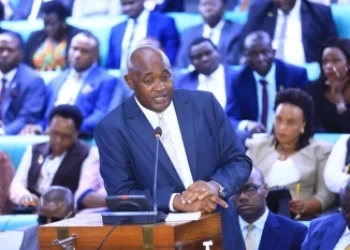
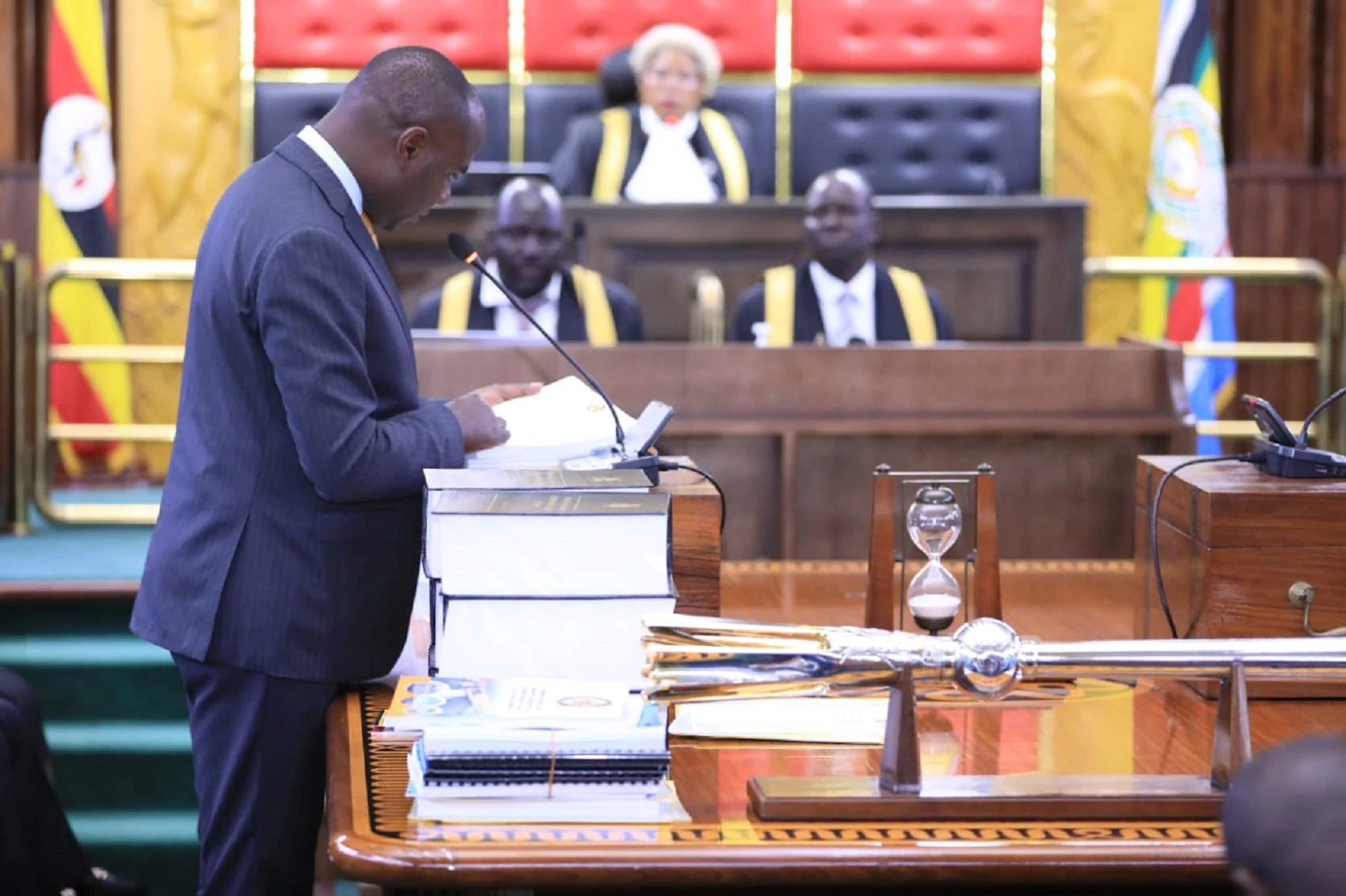
The Bills were tabled by the Minister of State for Finance, Planning and Economic Development (General Duties), Hon. Henry Musasizi during plenary on Wednesday, 01 April 2026 chaired by Speaker Anita Annet Among.
The proposed environmental levy is contained in the External Trade (Amendment) Bill, 2026, which seeks to impose a 30 per cent charge on the cost, insurance and freight value of worn clothing and other worn articles.
According to the Bill, the measure is aimed at mitigating the influx of secondhand clothing which has environmental implications, particularly in waste management, noting that a significant portion of imported garments end up as waste shortly after entry into the market.
“The levy of 30 per cent on worn clothing is intended to mitigate environmental degradation while promoting domestic production,” read the Bill authored by the Minister of Finance, Planning and Economic Development, Hon. Matia Kasaija.
The Bill also proposes to exempt imports of vaccines, medicines, medical supplies, pesticides, rodenticides, acaricides and insecticides from both the infrastructure levy and the import declaration fee.
Government has also made revisions in the Excise Duty (Amendment) Bill, 2026, making proposals on a range of goods including alcohol, construction materials, paints, and cooking oil, as government seeks to adjust revenue measures ahead of the new financial year.
The Bill introduces an excise duty of 80 percent or Shs3,500 per litre, whichever is higher, on imported un-denatured spirits with an alcoholic strength of less than 80 percent.
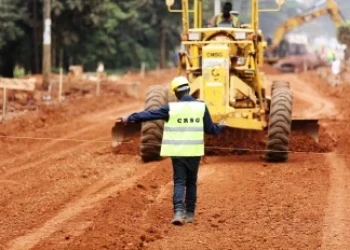
In the construction sector, the Bill proposes a flat excise duty of Shs1,000 per 50 kilogrammes on cement, adhesives, grout, white cement and lime.
In the manufacturing and industrial sector, locally manufactured paints, varnishes and lacquers will attract 3 percent or Shs50 per litre or kilogramme, while imported versions will be taxed at a significantly higher rate of 10 percent or Shs2,000 per litre or kilogramme, whichever is higher.
Additionally, the Bill introduces an excise duty of Shs500 per litre or kilogramme on cooking fat, a widely consumed household commodity.
Musasizi also tabled new tax measures under the Income Tax (Amendment) Bill, 2026, which introduce targeted withholding taxes across different sectors of the economy. Among these is a five per cent withholding tax on interest paid by resident companies to non-resident financial institutions, aimed at strengthening tax compliance on cross-border financial transactions.
The Bill also introduces a six per cent withholding tax on payments made for the purchase of non-business assets.
In the digital and telecommunications sector, the Bill proposes a 10 per cent withholding tax on commissions earned from telecommunication services, including mobile money operations and related network services.
The gaming sector has also been considered in the new tax proposals, with a proposed 15 per cent withholding tax on winnings from betting and gaming activities. The tax will be applied on net winnings, defined as the amount received less the stake placed.
Payments made to public entertainers will attract a six per cent withholding tax under the proposed amendments, formalising taxation within the entertainment industry.
For high income earners, the Bill introduces an additional 10 per cent tax on annual income exceeding Shs120 million.
Comments (0)
📌 By commenting, you agree to follow these rules. Let’s keep HowweBiz a safe and vibrant place for music lovers!