

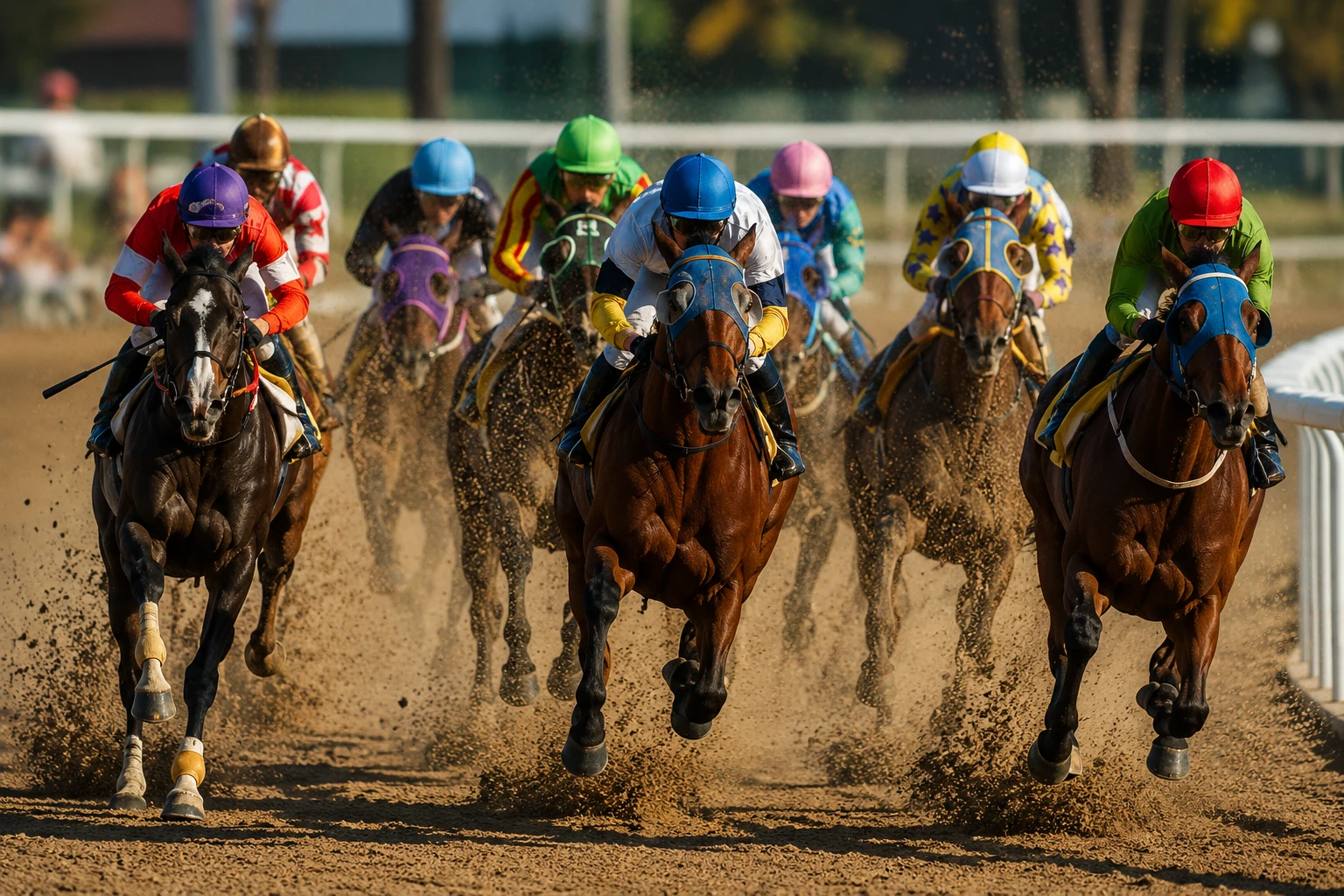
A horse can arrive in excellent form, be ridden by a leading jockey, and still fail to justify favouritism. That contradiction sits at the heart of horse racing betting. Markets have become more efficient over the years, yet many bettors continue to focus on the same obvious statistics while overlooking details that often influence outcomes just as much.
Many racing fans begin their analysis by studying form guides and odds available through platforms such as https://1xbet.ie/en/line/horse-racing and many others. The strongest bettors usually go further. They spend less time looking at headline numbers and more time examining the factors that shape how a race is likely to unfold.
In 2026, those overlooked details often make the difference between following the market and identifying value before the market reacts.
Pace Remains One of the Most Misunderstood Factors
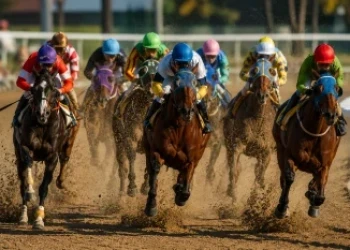
Two horses may enter a race with nearly identical records, yet their chances can look completely different once pace is considered.
The expected shape of a race often determines which running styles are favoured. A fast early pace can create opportunities for horses that prefer to finish strongly from behind. A slow tempo frequently benefits front-runners that are allowed to control the race.
Many losing bets originate from ignoring this dynamic. A horse can be in excellent form and still find itself disadvantaged by the way the race develops.
Professional bettors often begin their analysis with pace projections rather than form figures. The reasoning is simple: race shape can alter the value of every other factor.
Track Bias Continues to Create Opportunities
Not every section of a racecourse performs equally.
Weather conditions, maintenance work, and wear from earlier races can occasionally create advantages for certain parts of the track. This phenomenon, commonly referred to as track bias, remains particularly relevant on turf courses.
A horse drawn on the favoured side may outperform market expectations. A popular runner drawn into a less favourable position may struggle despite stronger overall credentials.
Ground conditions deserve equal attention. Some horses consistently perform better on soft surfaces. Others require firmer ground to produce their best efforts.
Official going descriptions provide useful information, but they rarely tell the entire story. Conditions can change throughout the day, particularly when weather becomes a factor.
Current Form Often Matters More Than Reputation
Big names still tend to draw bets, but form can mean more than name when evaluating whether or not a horse is worth backing.
Even a top-notch jockey who rides in an unfavored string might not warrant the trust evident in the odds. By examining recent performances by trainers and riders over the past 14 to 30 days, one may pick up on some factors not seen in the seasonal statistics.
Market Movements Reveal More Than Many Assume
Odds movements often reflect new information entering the market.
Some price changes are driven by public interest. Others follow activity from more informed bettors. Distinguishing between the two remains an important skill.
Many bettors monitor early market trends and exchange activity, not to follow moves blindly, but to understand what may be driving them.
Looking Beyond the Official Result
Finishing positions rarely tell the whole story.
Two horses may finish in the same position while producing very different performances. One may have encountered traffic problems. Another may have enjoyed a perfect trip.
Watching replays often reveals details that standard statistics miss. Those details can influence future races, yet they are not always reflected in the market.
The Areas Many Bettors Still Overlook
Several factors continue to create opportunities because they receive less attention than traditional form analysis:
● Expected race pace and running styles
● Track bias and changing ground conditions
● Recent trainer and jockey form
● Meaningful market movements
● The quality of a horse's previous performance rather than its finishing position
Individually, none of these factors guarantees success. Together, they often provide a more complete picture than raw form figures alone.
Looking Beyond the Obvious
Modern horse racing markets process obvious information quickly. Less visible factors often take longer to be reflected in the odds.
That is why experienced bettors look beyond form figures. Pace, track conditions, positioning, and current stable form often reveal more than recent results alone.
Comments (0)
📌 By commenting, you agree to follow these rules. Let’s keep HowweBiz a safe and vibrant place for music lovers!